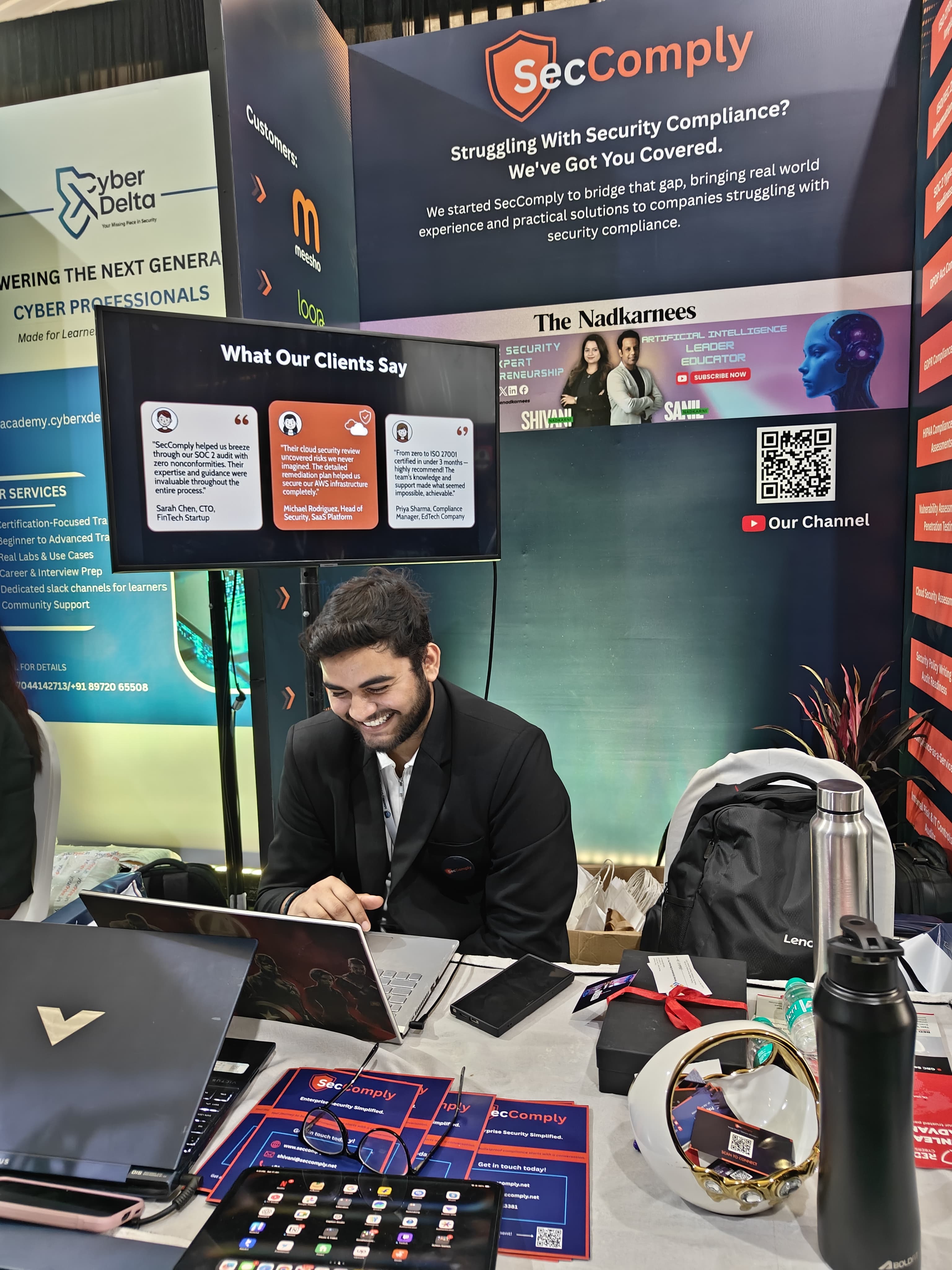
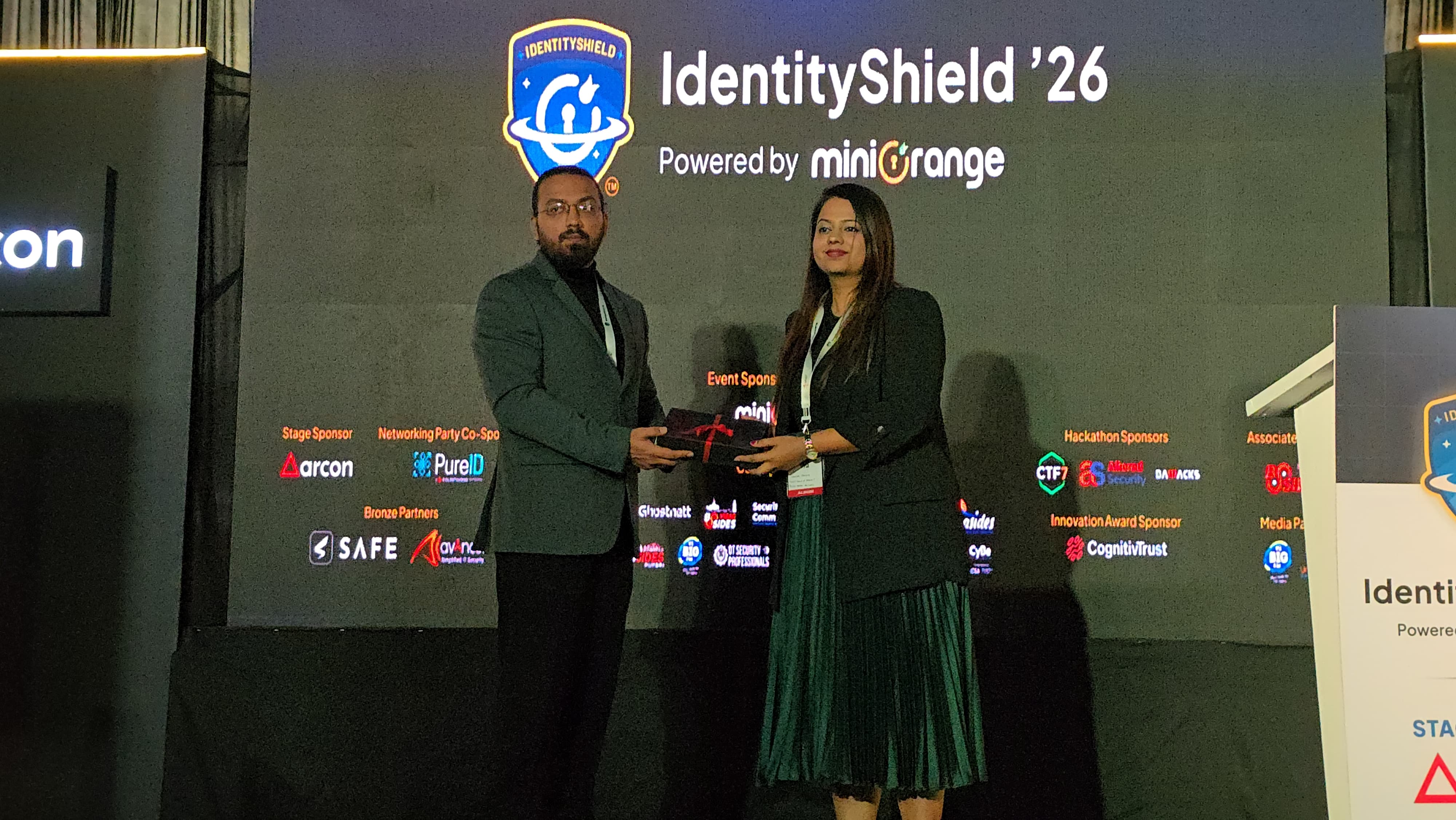
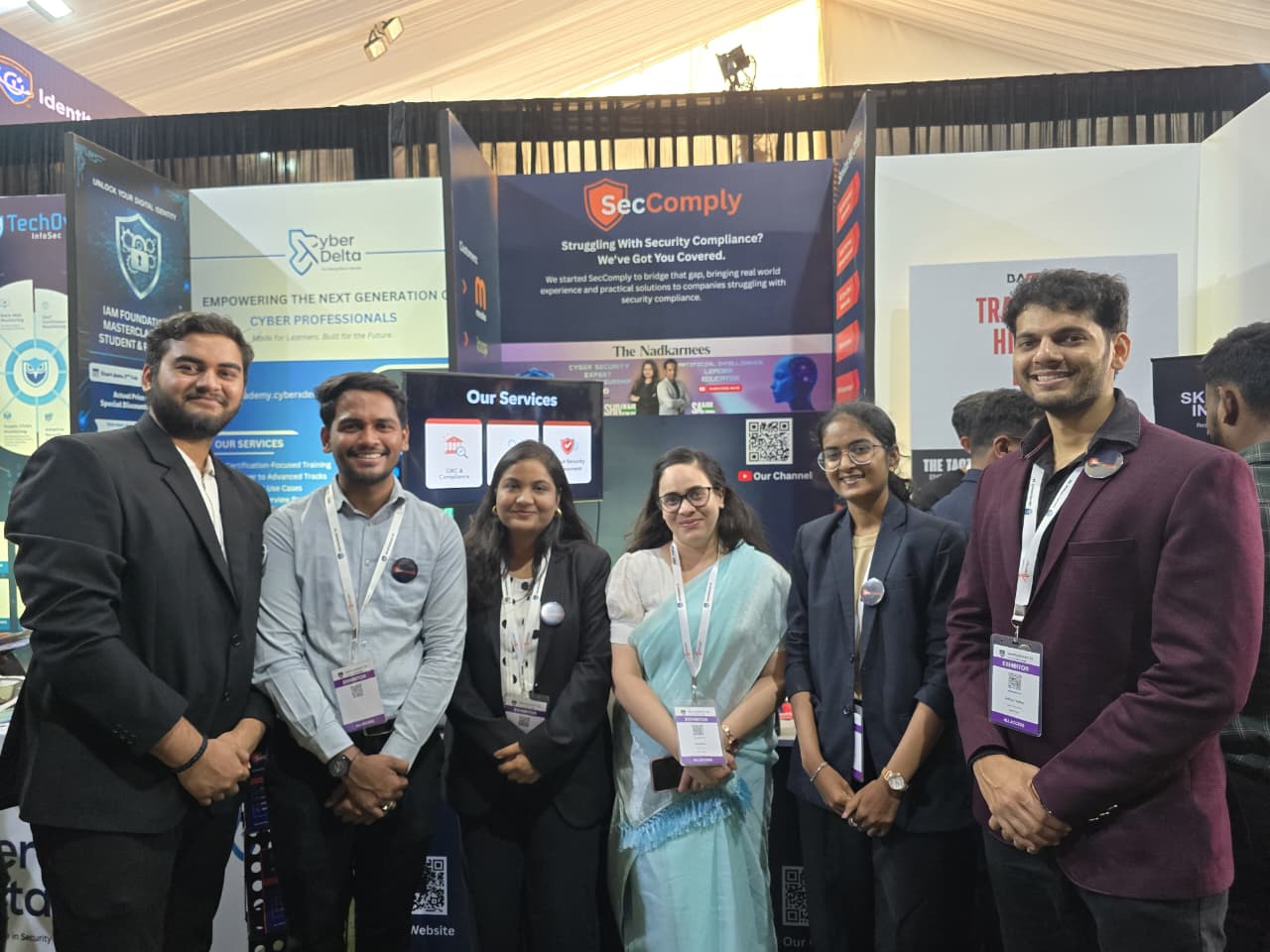
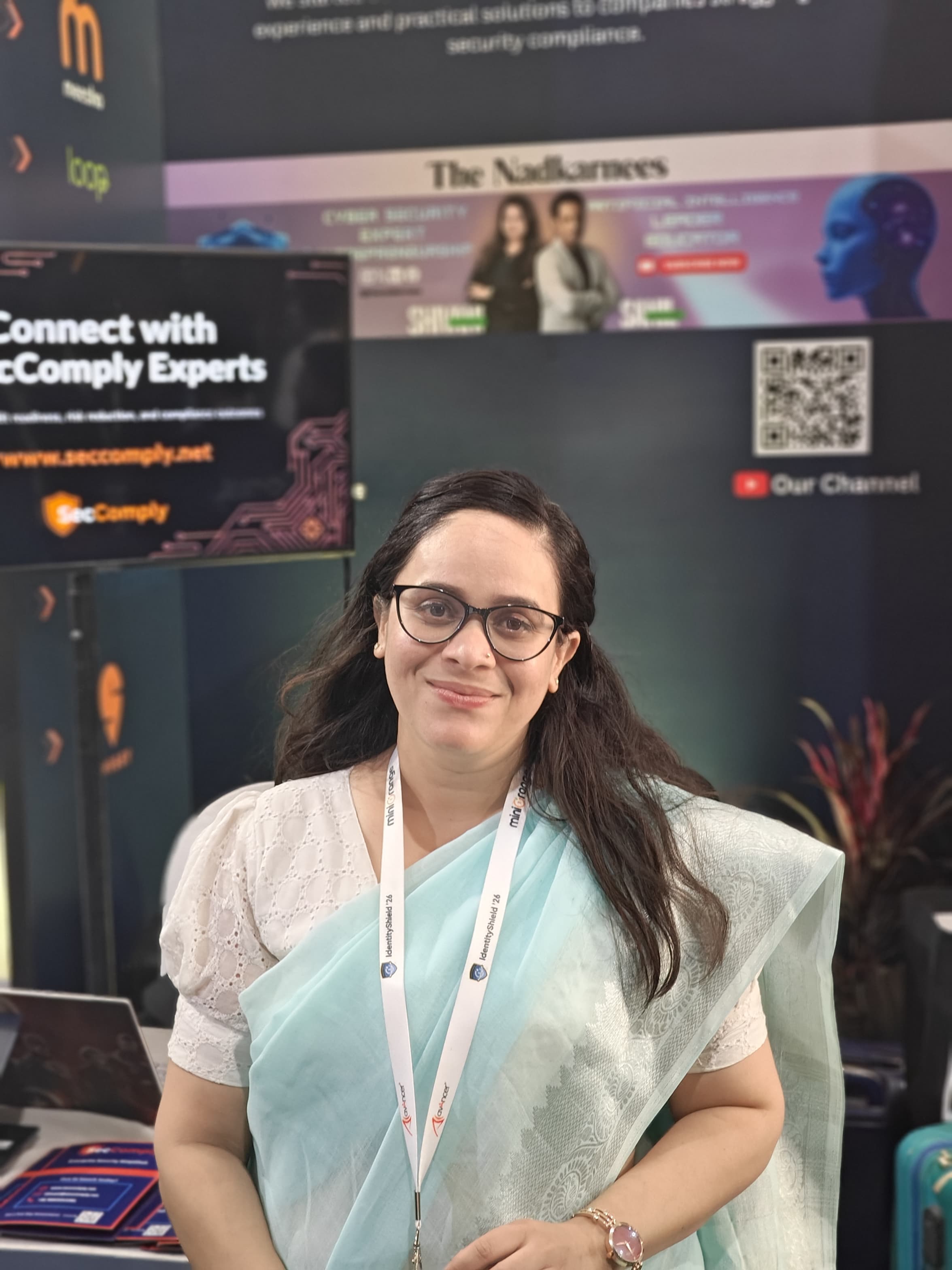
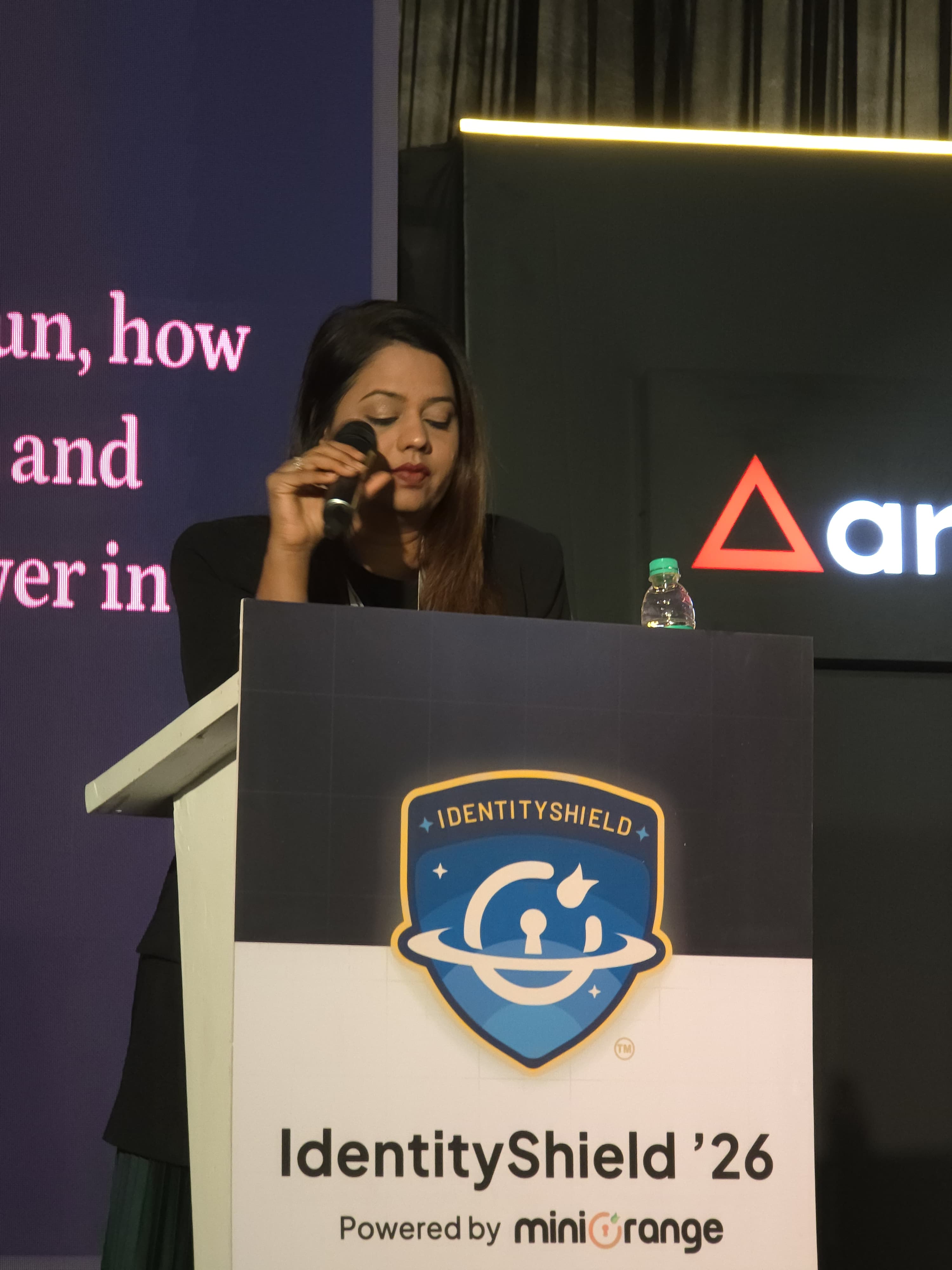
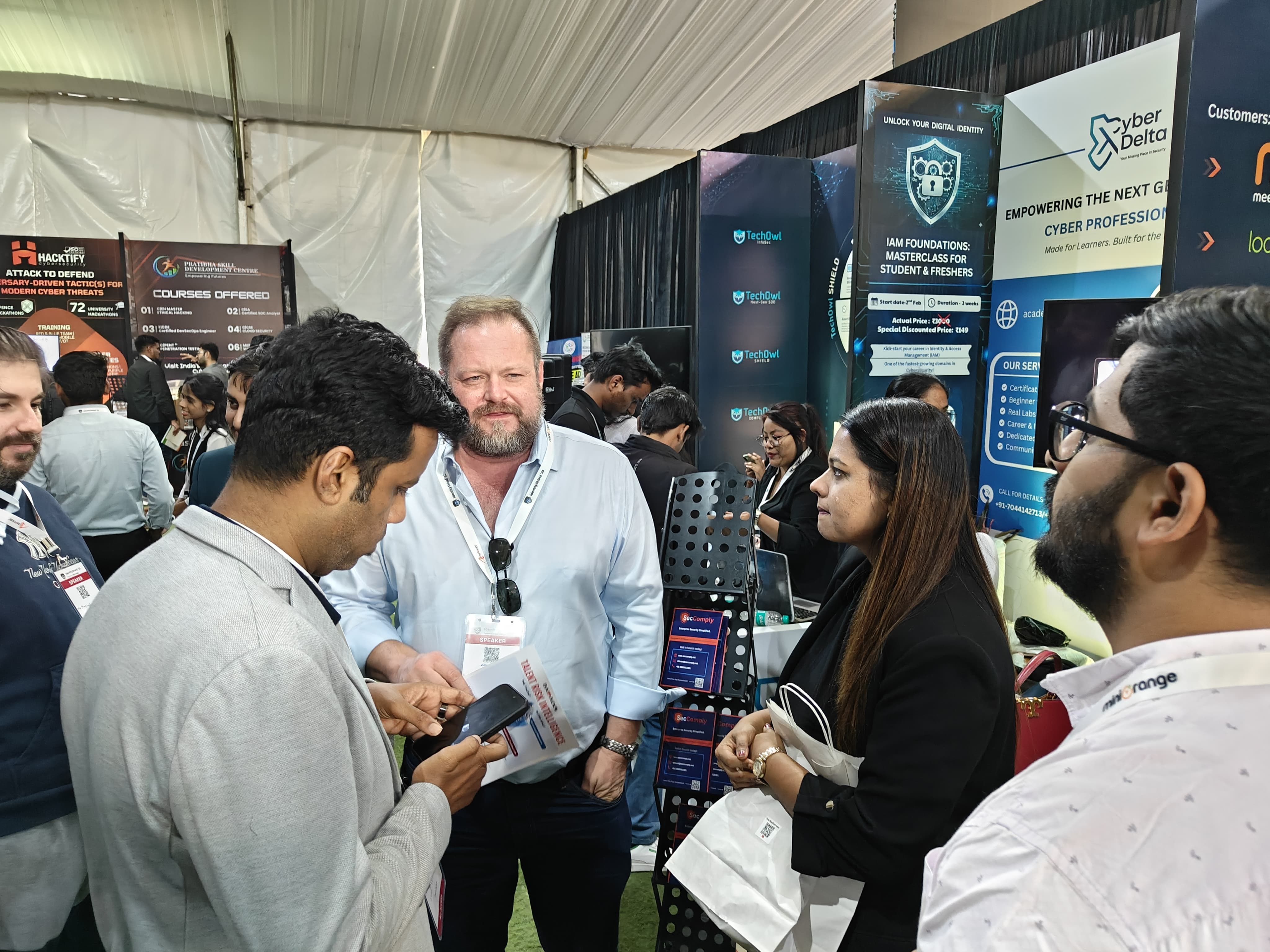
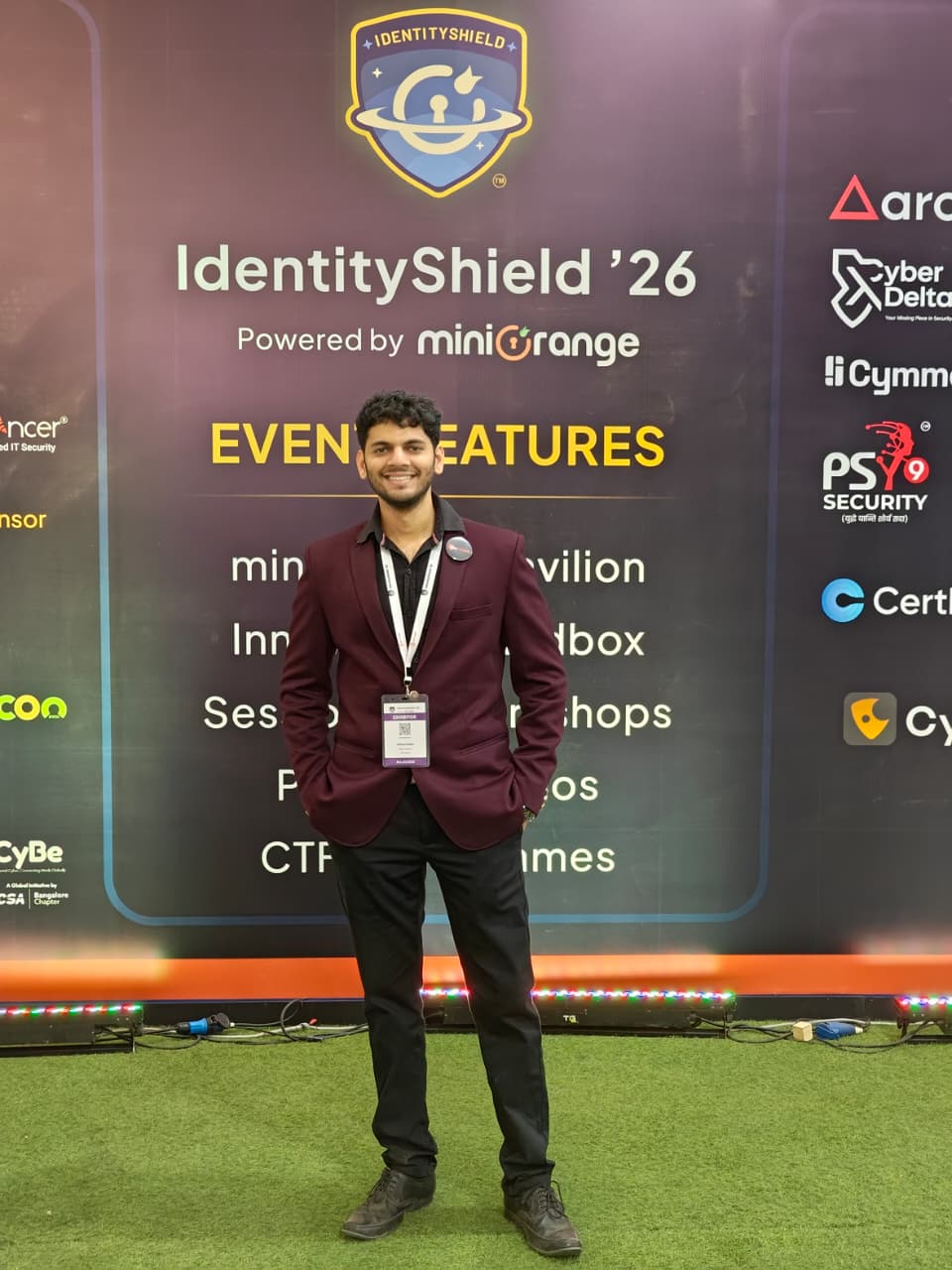
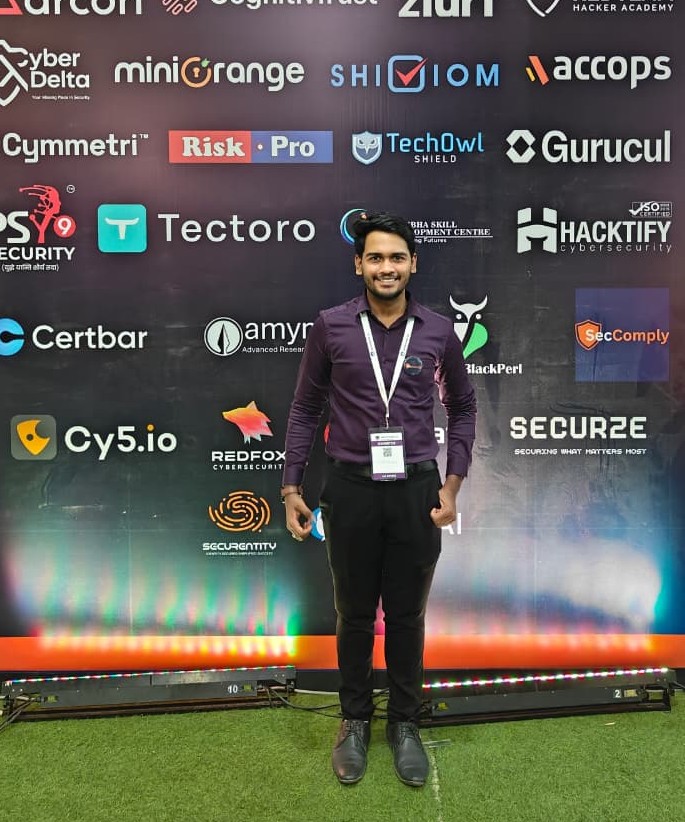
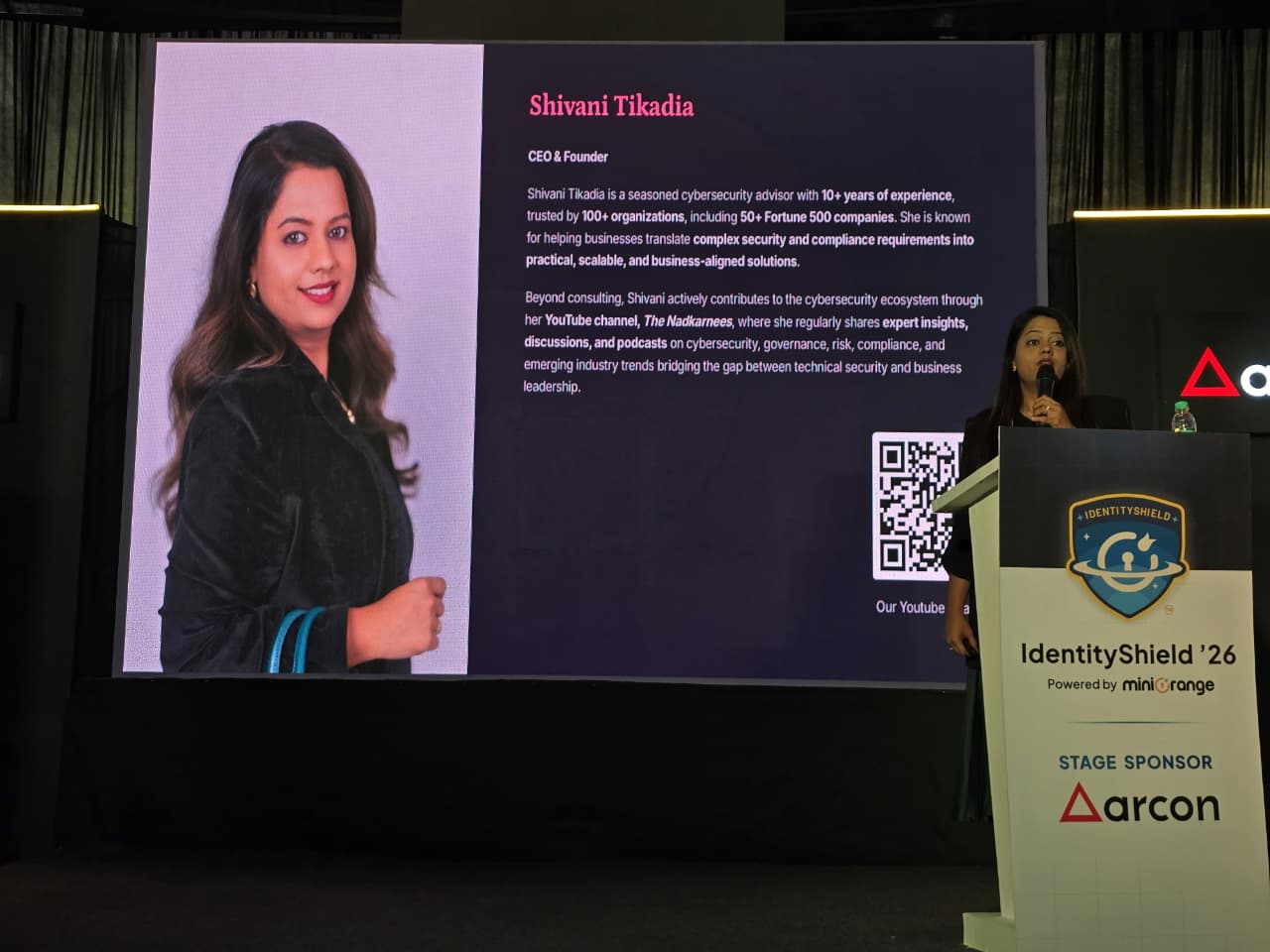
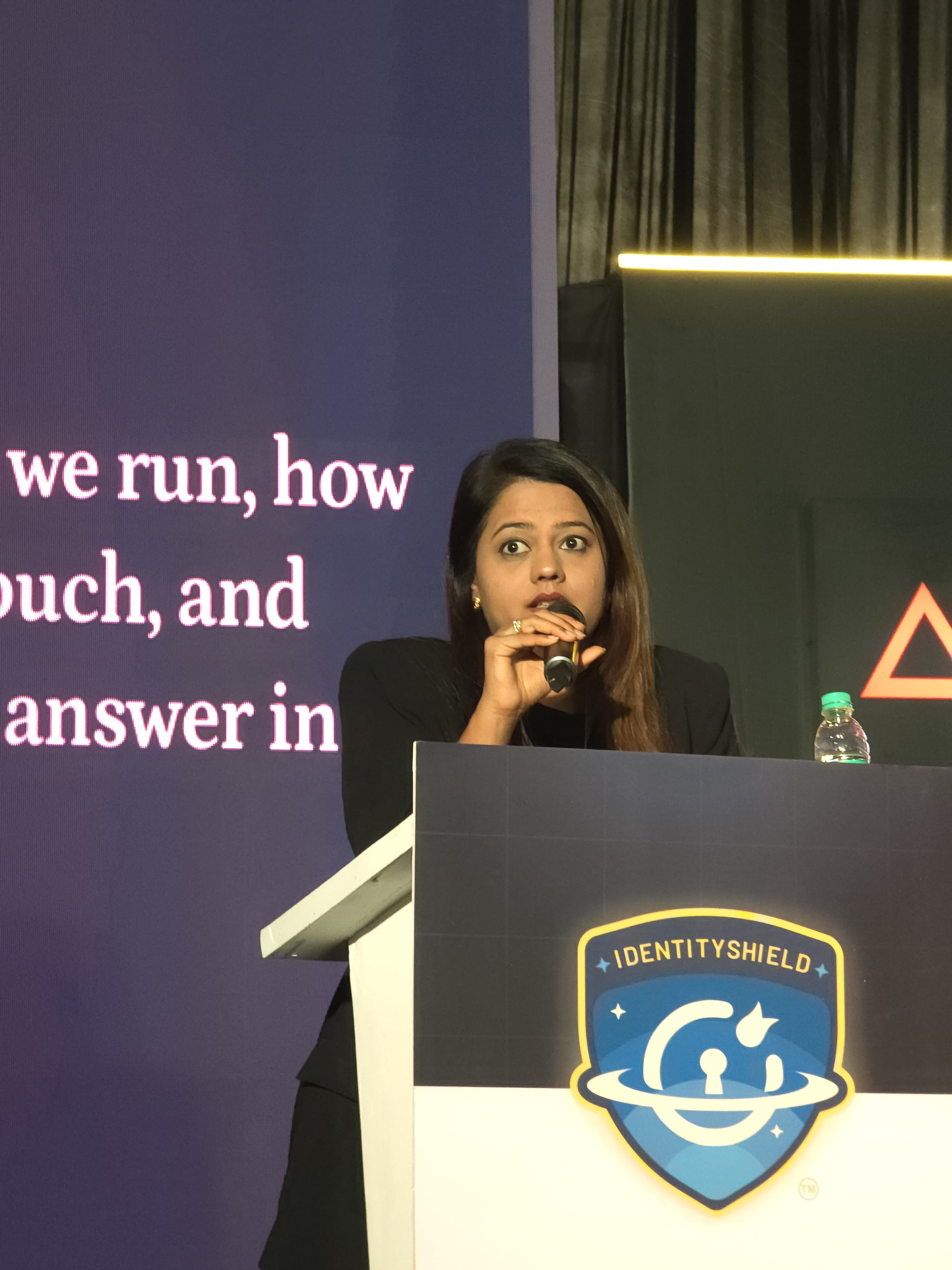
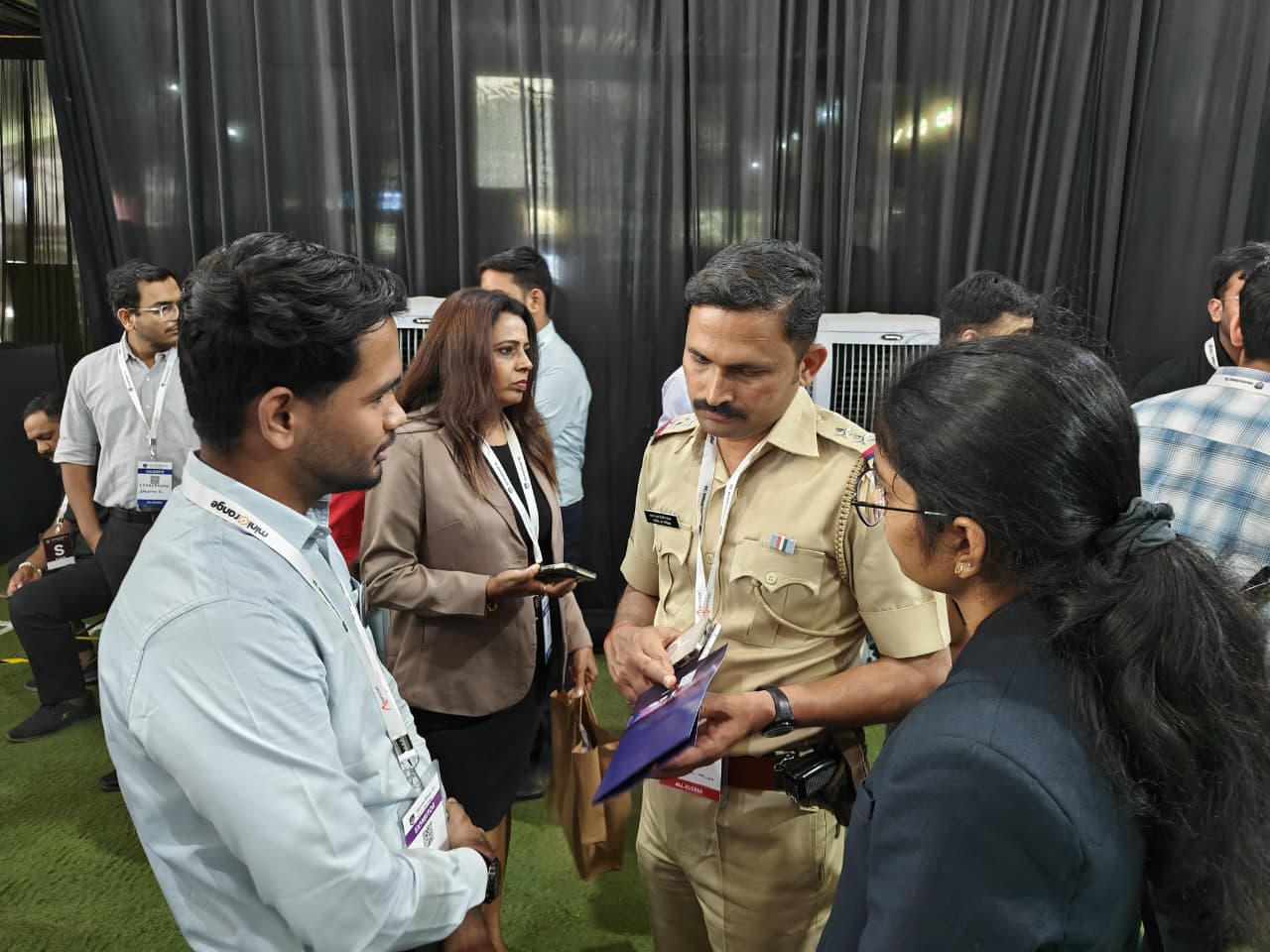
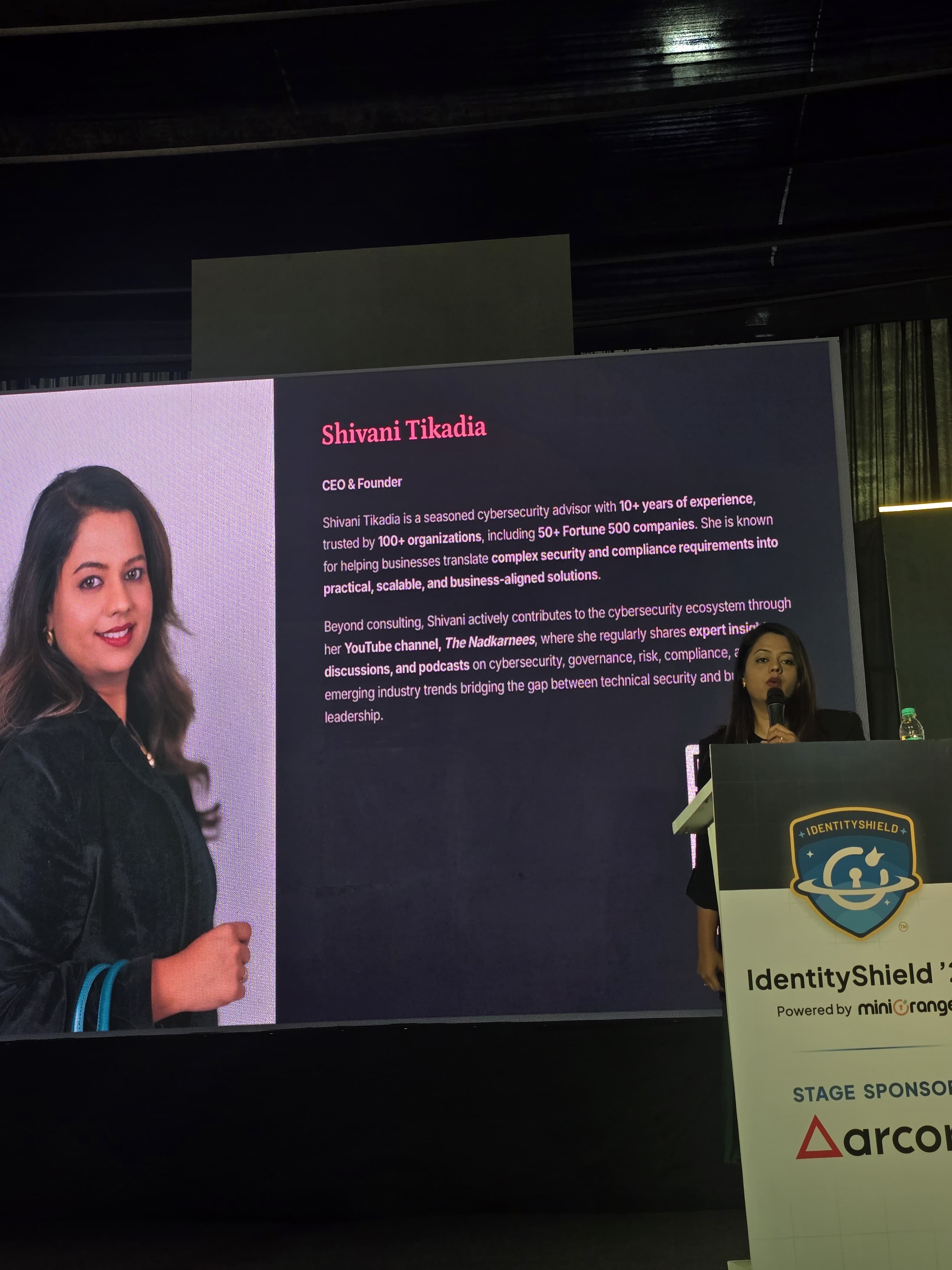
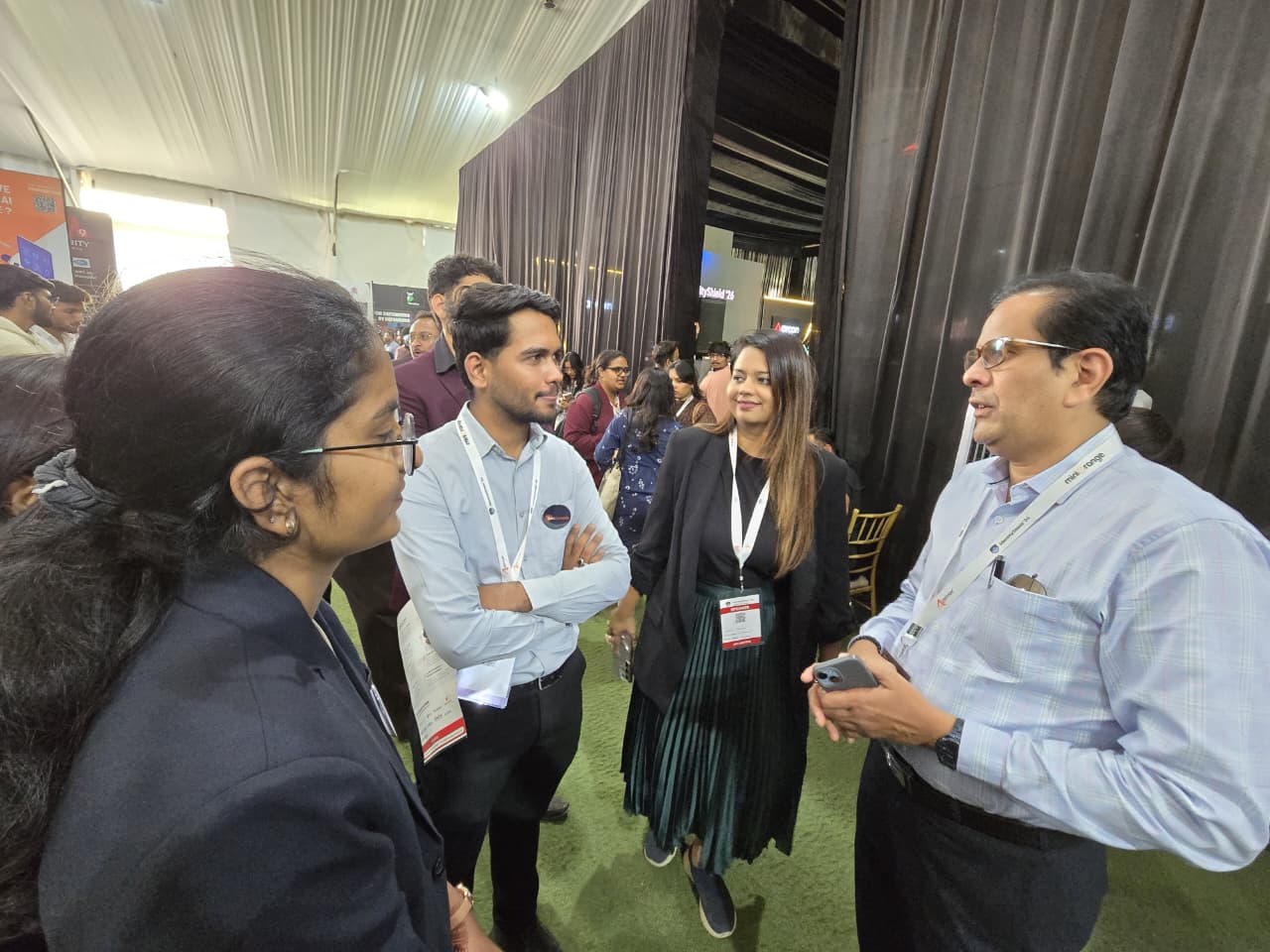
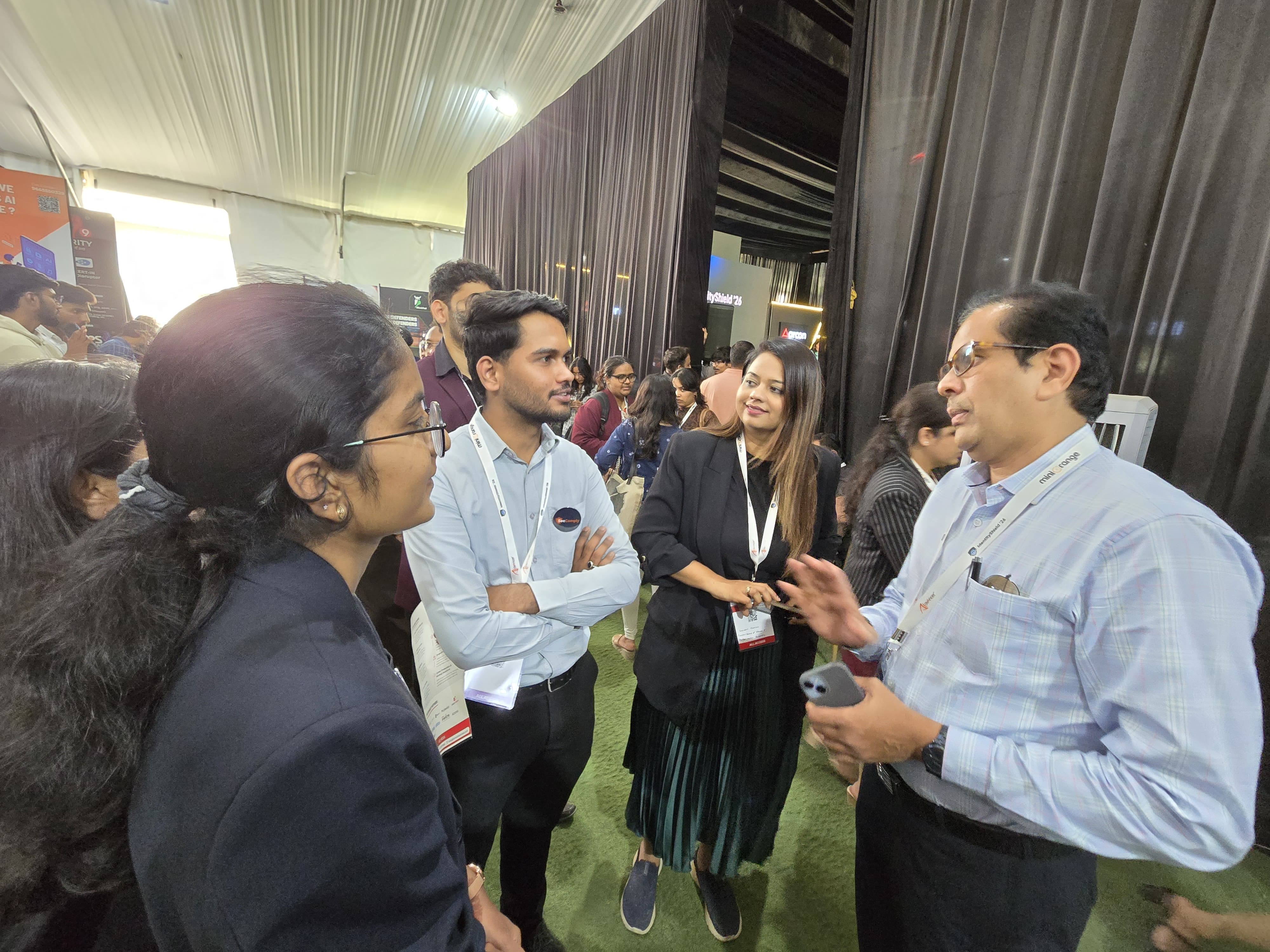
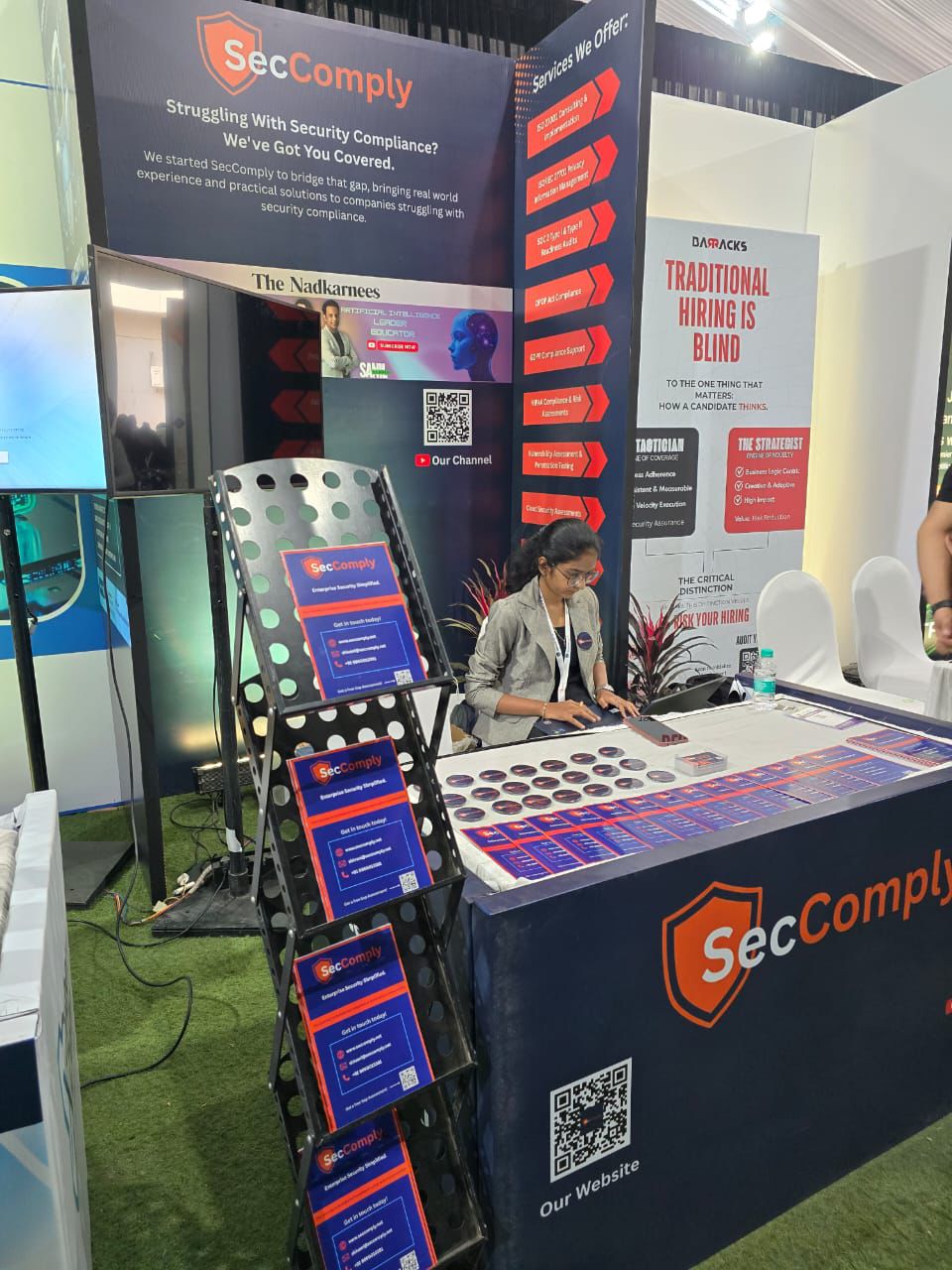
Powered by miniOrange — India's premier platform for AI-powered identity security. Our CEO Shivani Tikadia took the arcon stage as a featured speaker, and the SecComply team hosted a booth where we met cybersecurity leaders, policymakers, and defence officials from across the country.
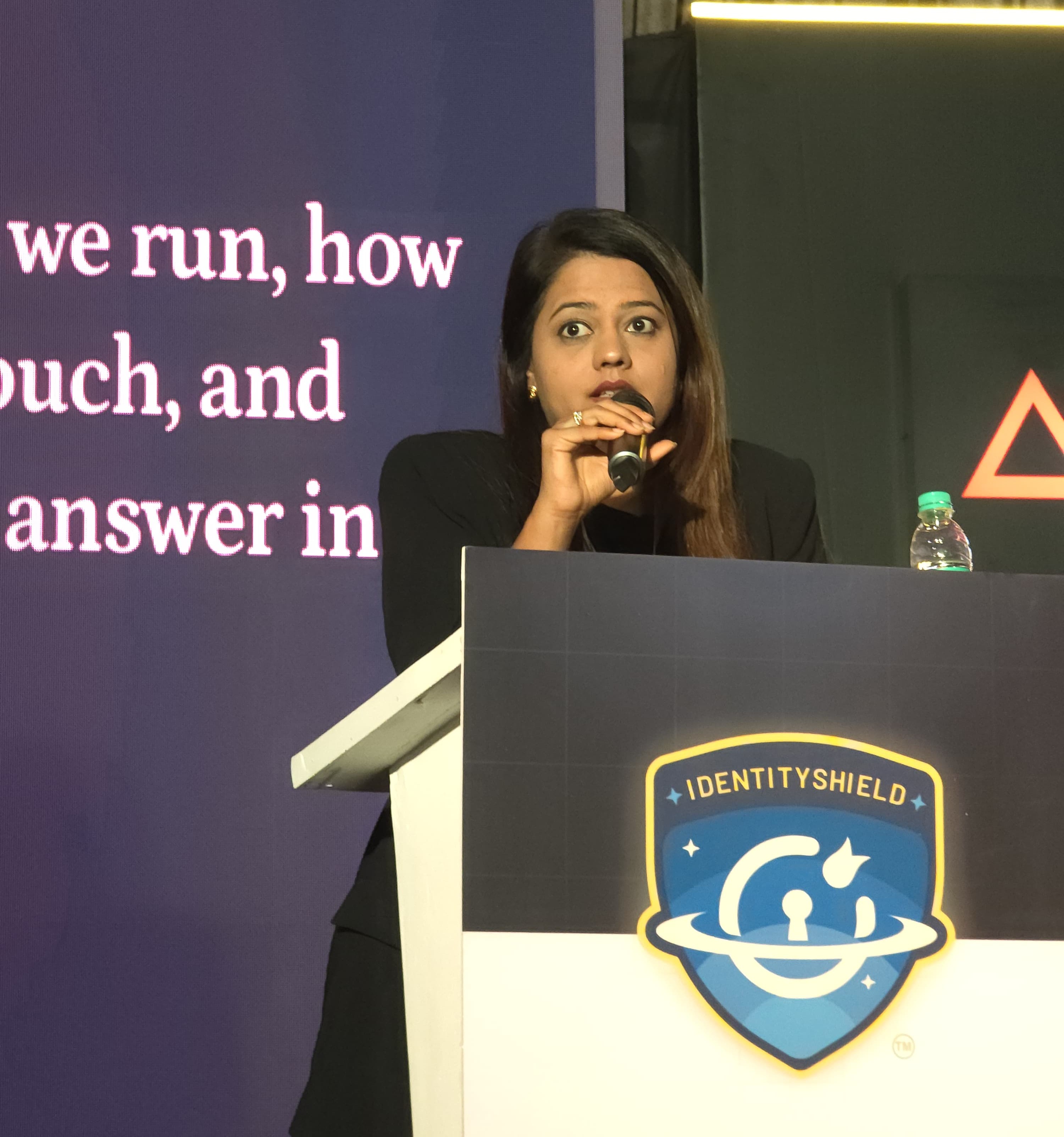

Shivani is a seasoned cybersecurity advisor with 10+ years of experience, trusted by 100+ organisations including 50+ Fortune 500 companies. She is known for helping businesses translate complex security and compliance requirements into practical, scalable, and business-aligned solutions.
At IdentityShield '26, Shivani spoke on the arcon stage about the operational reality of modern compliance programmes — what it takes to run one, how long it takes, and how to answer in a regulator-ready way. Her session drew security leaders, CISOs, and compliance practitioners looking to move beyond policy theatre into real, audit-grade execution.
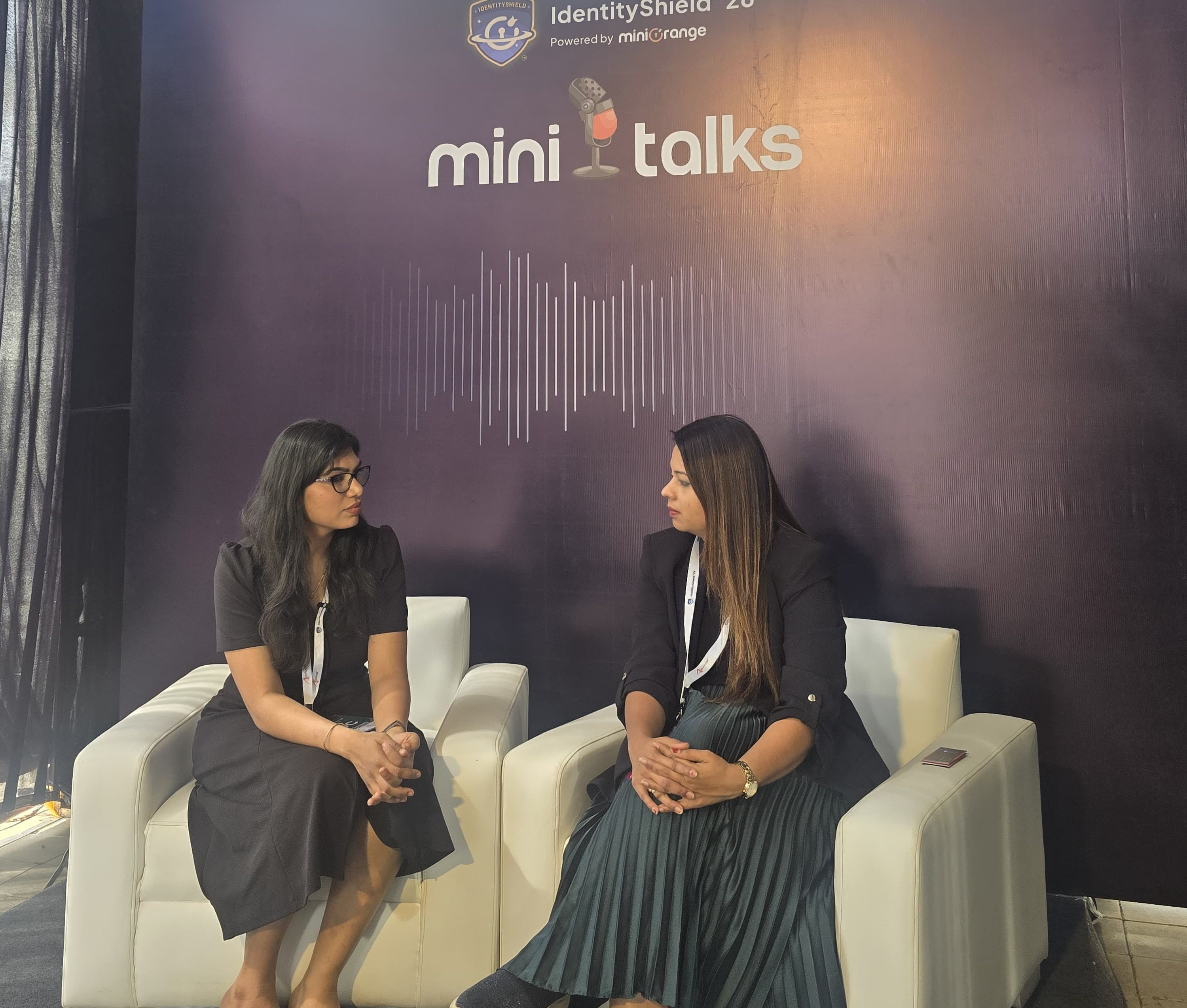
Beyond consulting, Shivani actively contributes to the cybersecurity ecosystem through her YouTube channel The Nadkarnees, where she regularly shares expert insights, discussions, and podcasts on cybersecurity, governance, risk, compliance, and emerging industry trends — bridging the gap between technical security and business leadership.
Four anchor points from Shivani's keynote that landed hardest with the audience — and sparked the longest conversations at the booth afterwards.
Policy documents without operational rehearsal. Controls that live in a binder but not in the engineering pipeline. The most common failure is not lack of effort — it is programmes that look good on paper but cannot survive a real audit.
Most founders hear "six months" and plan accordingly. Reality: 4-9 months for a tight-scope SaaS, 9-15 months for broader enterprise scope. The variance is almost entirely about scope discipline and organisational readiness.
Overlap is high — but not 100%. The right architecture maps control families across all three frameworks, implements each control once, and generates evidence that satisfies multiple auditors simultaneously.
The practical litmus test for any compliance programme. If a supervisory authority walked in tomorrow, what documentation exists? What evidence proves controls operated? Most programmes cannot answer cleanly — and that is the real gap to close.
Opening day set the tone with strategic discussions around India's cybersecurity sovereignty and foundational frameworks.
Day two moved from frameworks to implementation — where Shivani's session on the arcon stage fit squarely into the programme.
The IdentityShield Summit '26 convened around the core themes shaping India's cybersecurity future. Here are the topics that framed our conversations on stage and at the booth.
Moving from perimeter-based models to identity-first architectures — and the operational realities of rolling it out.
Modern IAM as the foundation of every serious security programme. MFA, role-based access, and privileged access at scale.
How adversaries are weaponising AI — and how defenders are using the same technology for faster detection and response.
Preparing cryptographic infrastructure for the quantum era before the transition becomes urgent rather than strategic.
Operationalising the DPDP Act, ISO 27001, and GDPR in the same programme — without duplication and without drift.
India's path from cybersecurity service provider to global producer — and what the talent ecosystem needs to get there.
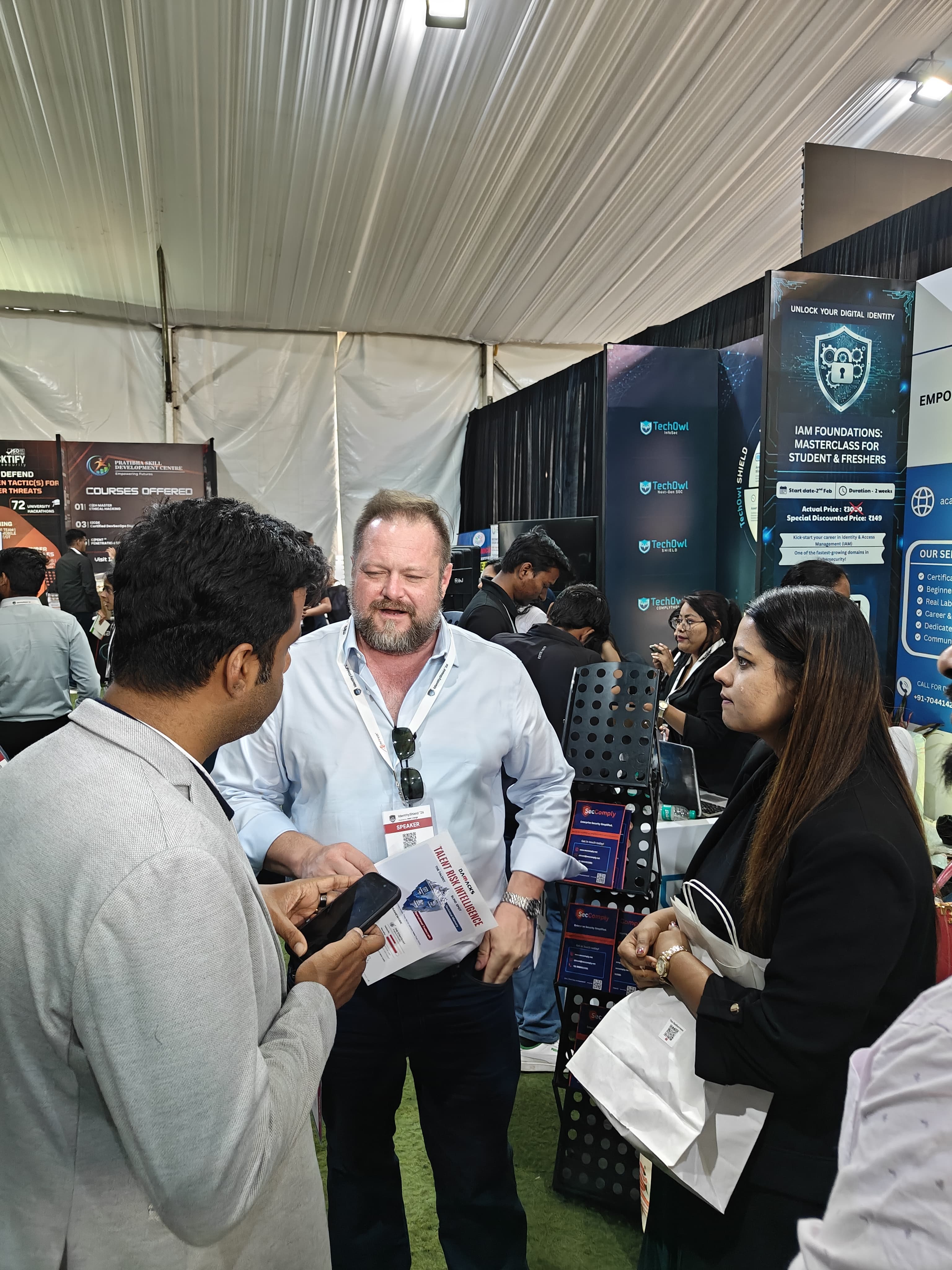
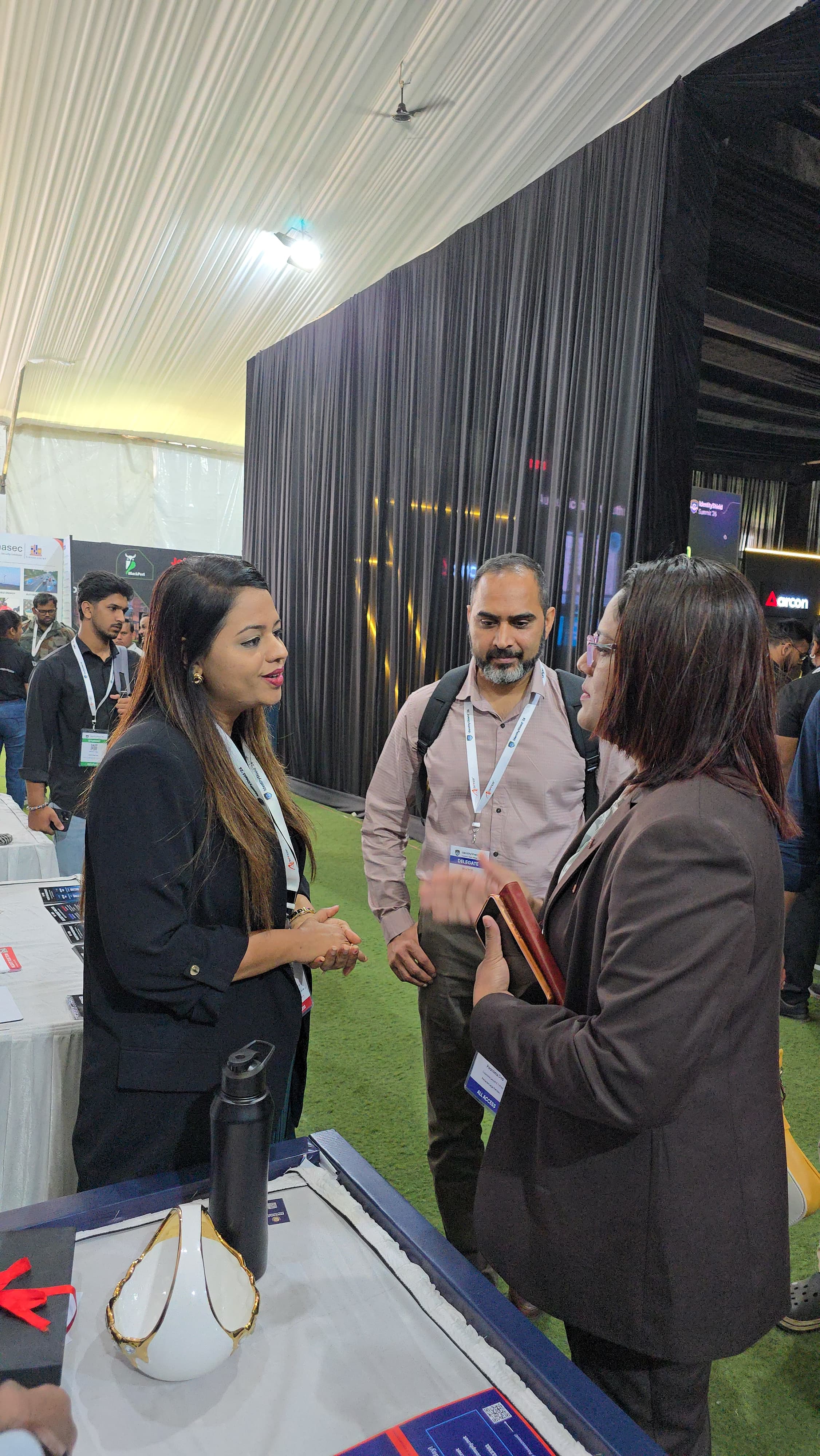
Our exhibitor booth drew a cross-section of the Indian cybersecurity ecosystem. Here is who stopped by — and what they wanted to talk about.
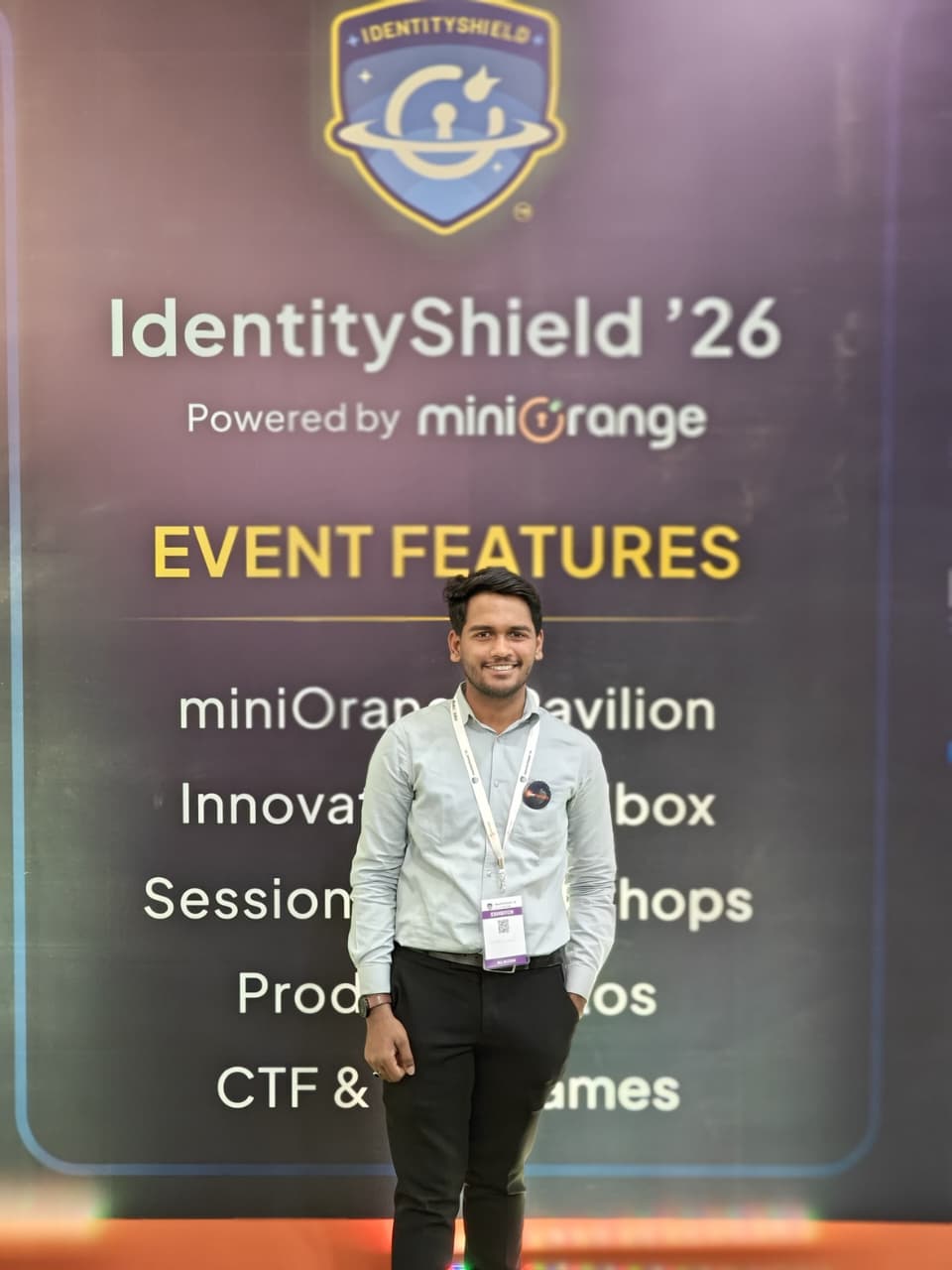
Two days. One stage. Countless conversations. Click any image to view full-size, and move your cursor across the tiles for a little parallax.
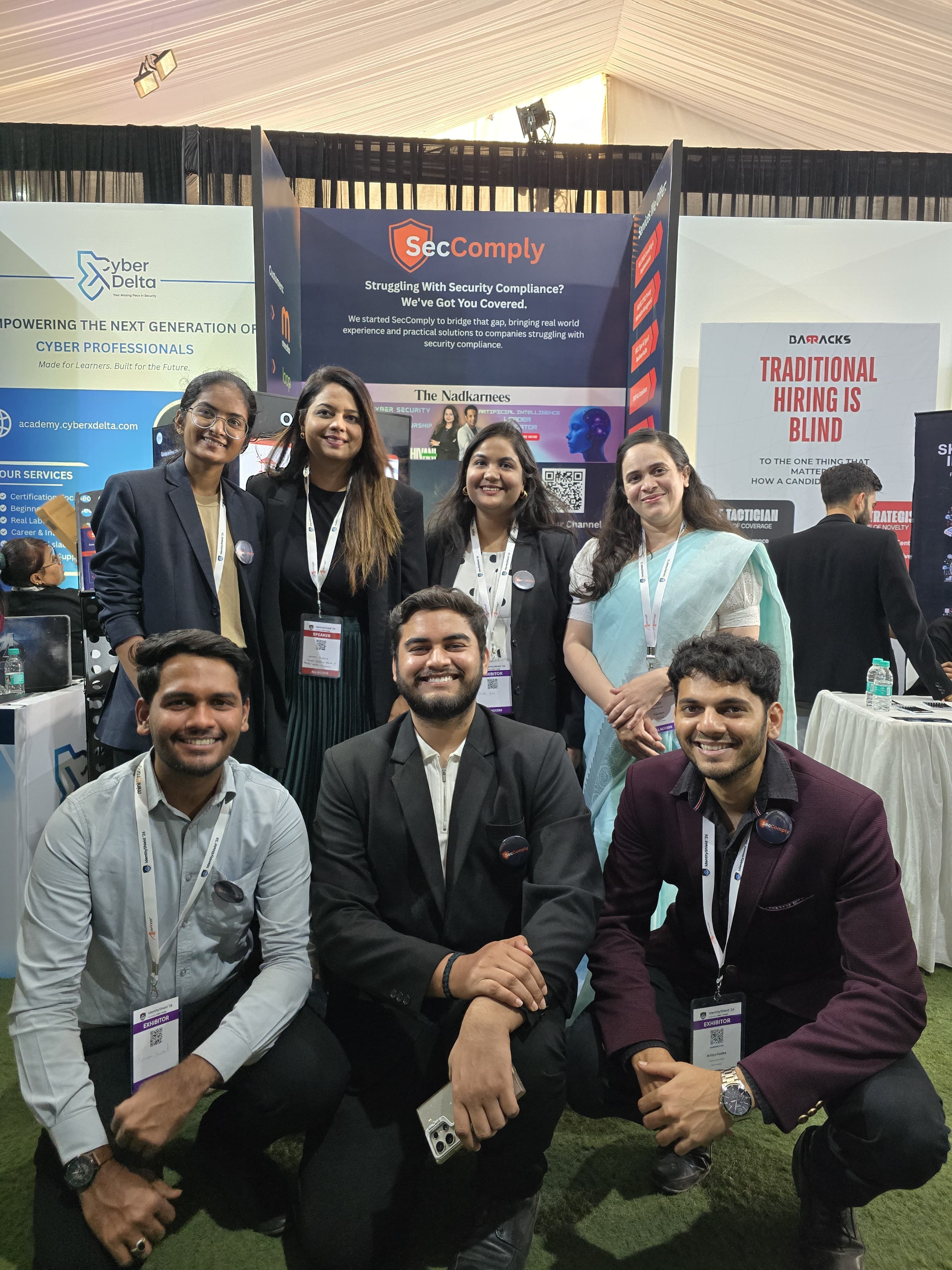
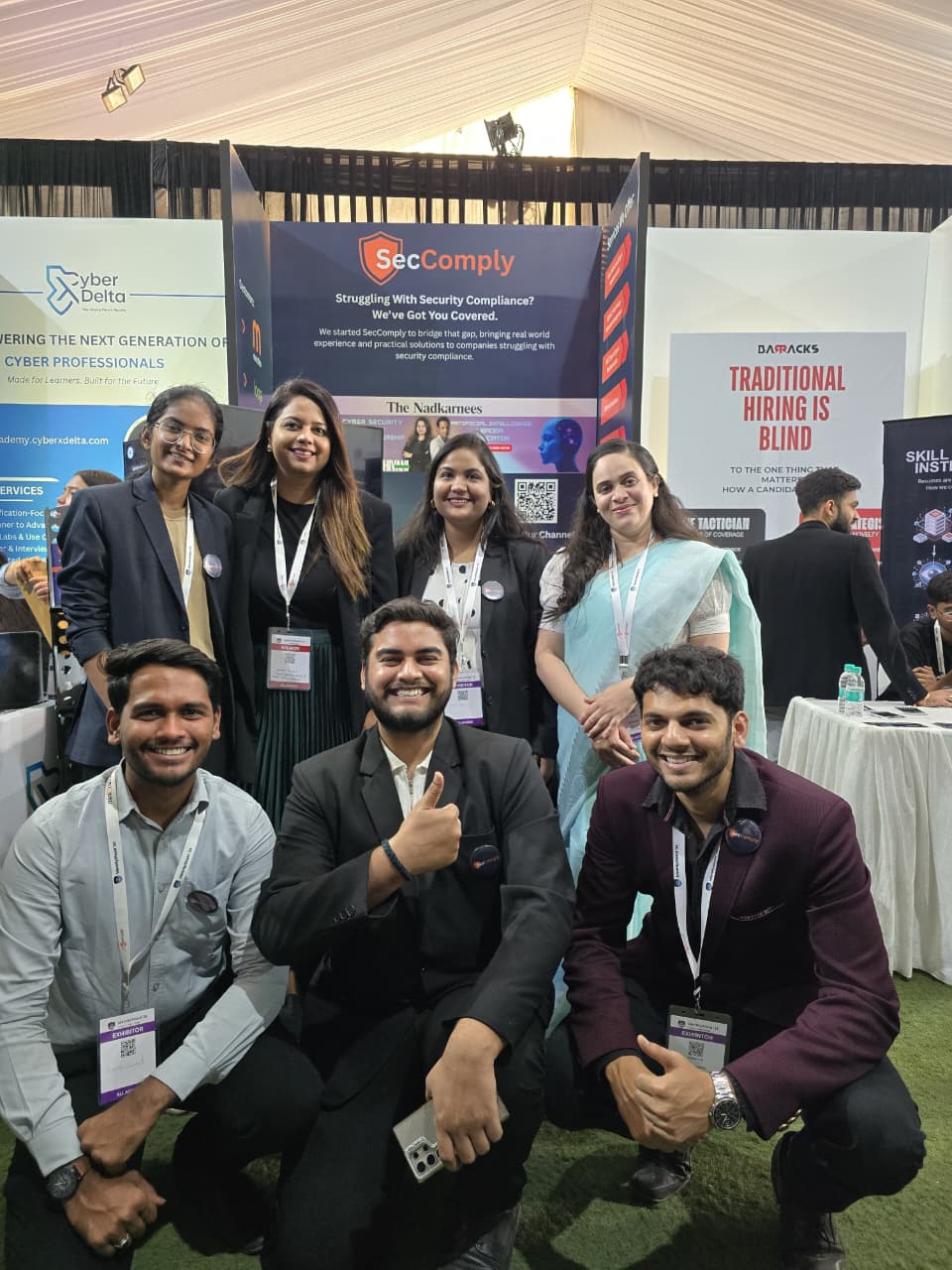
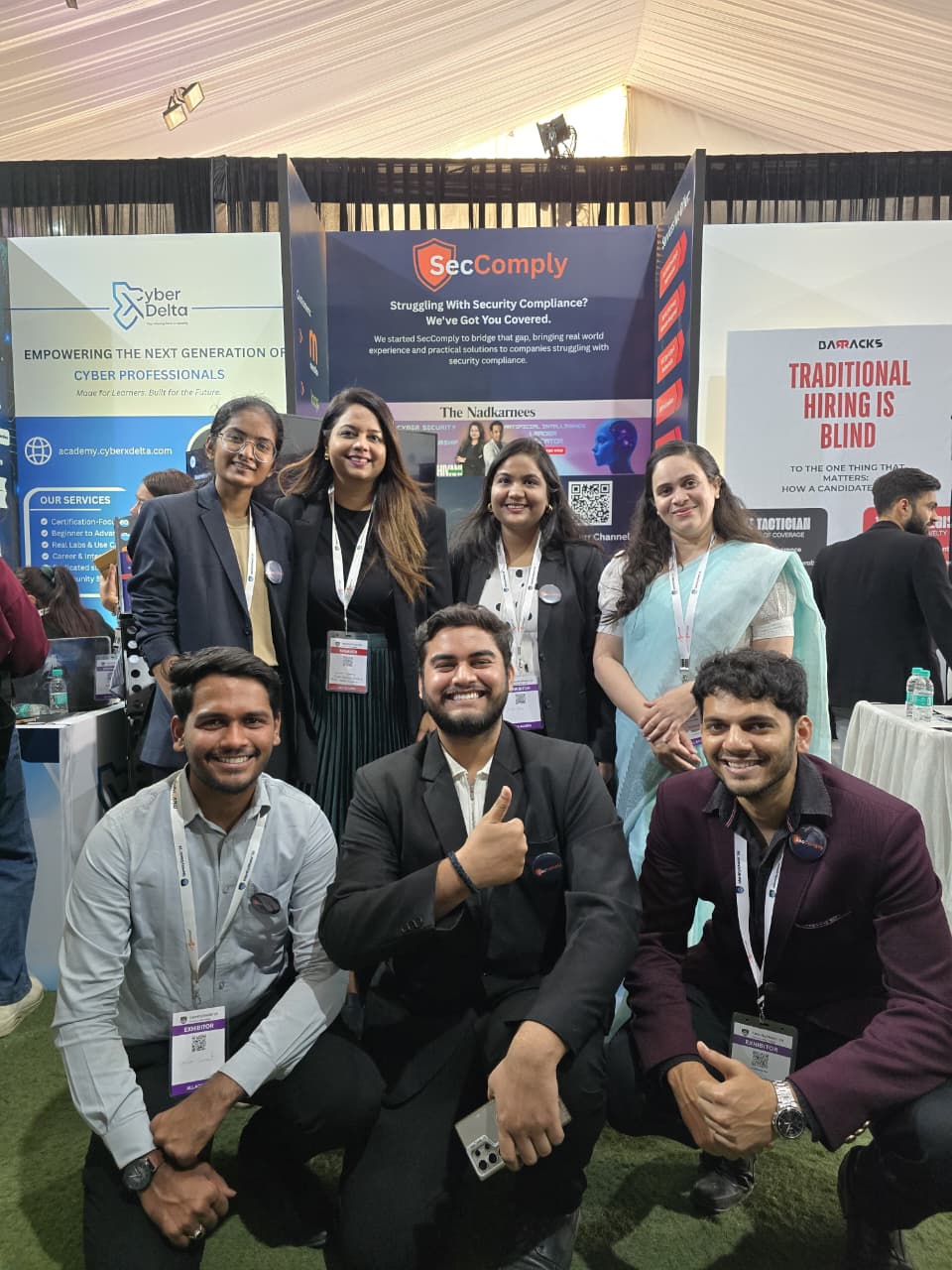
SecComply exists because security and compliance should not feel like translation work. Events like IdentityShield '26 are where we meet the people living that translation problem every day — the CISOs running audits with six frameworks in scope, the founders trying to close enterprise deals faster, the engineering leaders who want privacy built into the product rather than bolted on afterwards. Those conversations shape what we build.