India's flagship cybersecurity trade show returned to Mumbai for its second edition — two days of CISO conversations, GRC panel discussions, hands-on workshops, and the people quietly building India's national cyber resilience. SecComply was on the floor.
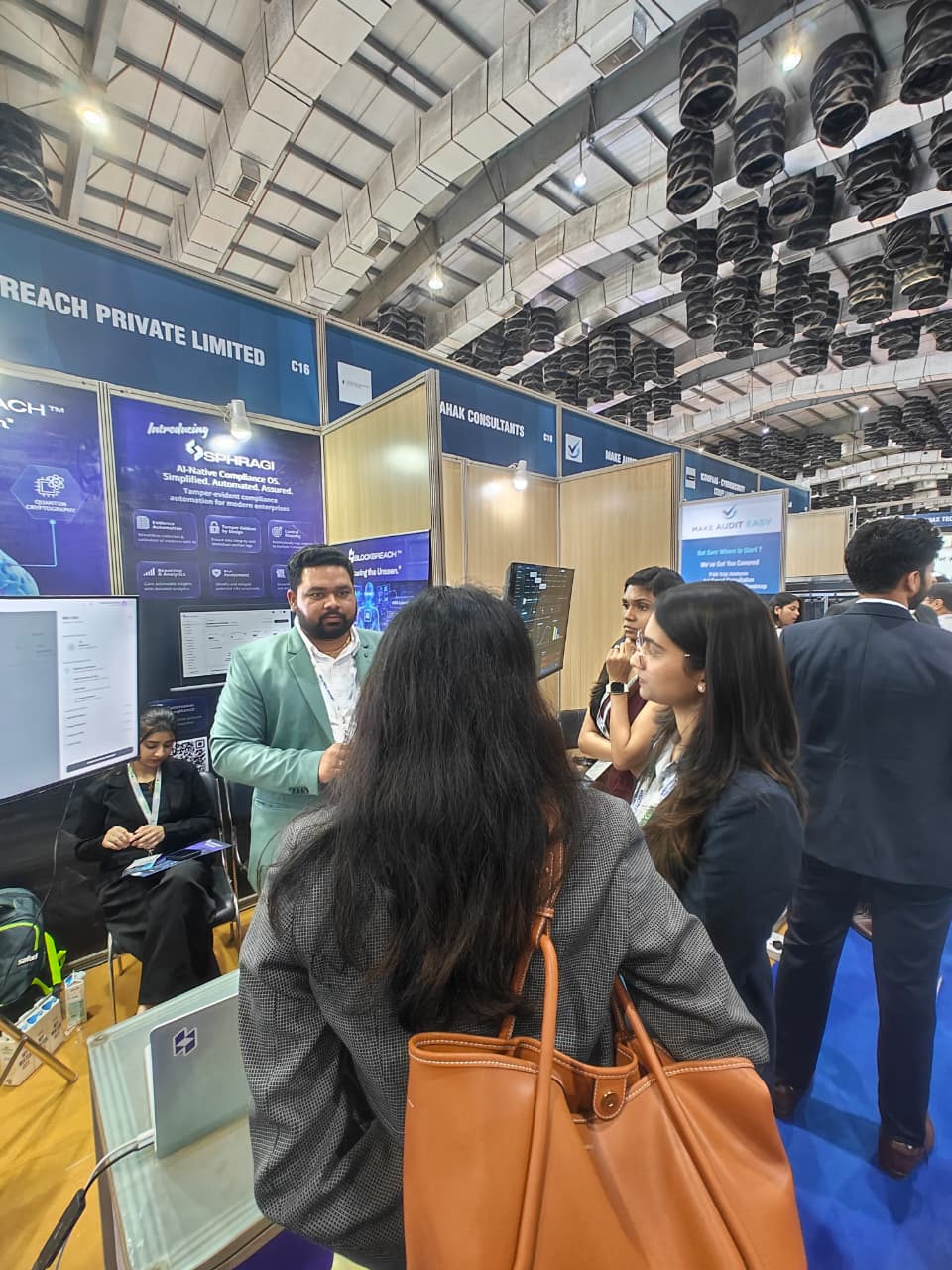
The 2026 edition centred on a single, sharp question — how India secures a digital-first economy with AI-enabled defence, Zero Trust architectures, and future-ready quantum security. Across two days, the conference brought together CISOs, regulators, technologists, and policy leaders working on exactly that problem at scale.
CSIE has only existed for two editions, but it has already established itself as one of the few Indian cybersecurity events that genuinely brings the operators into the room — not just the vendor floor. Four observations from the two days.
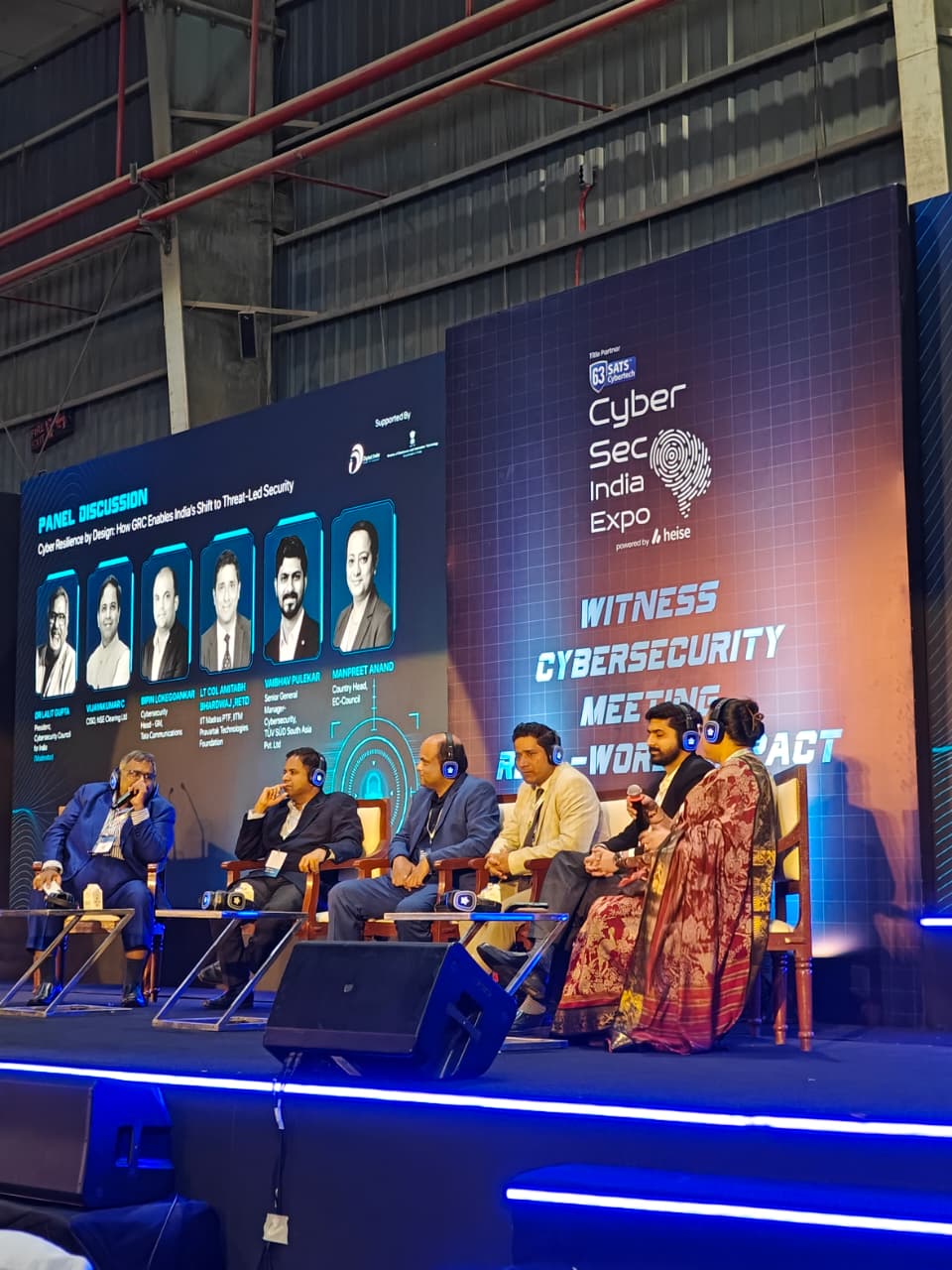
The panel "Cyber Resilience by Design — How GRC Enables India's Shift to Threat-Led Security" went directly at the operational reality compliance teams now face. Less framework theatre, more honest discussion of what threat-led security looks like once you have to evidence it.
With Digital India and MeitY among the supporters, the agenda gave real airtime to government technology leadership — UIDAI, Department of Telecommunications, MyGov. That is a different audience composition than most commercial cybersecurity events.
NSE Clearing, Kotak Mahindra, Mastercard South Asia, RPG Group, Tata Communications, TVS Holdings — the speaker list reflected the verticals where India's most consequential security work is actually being done. The hallway conversations matched.
The CyberSec India Awards 2026 spotlighted teams strengthening India's digital backbone across innovation, OT/ICS, privacy and compliance, and leadership — not just headline brands. A cleaner signal-to-noise ratio than most awards.
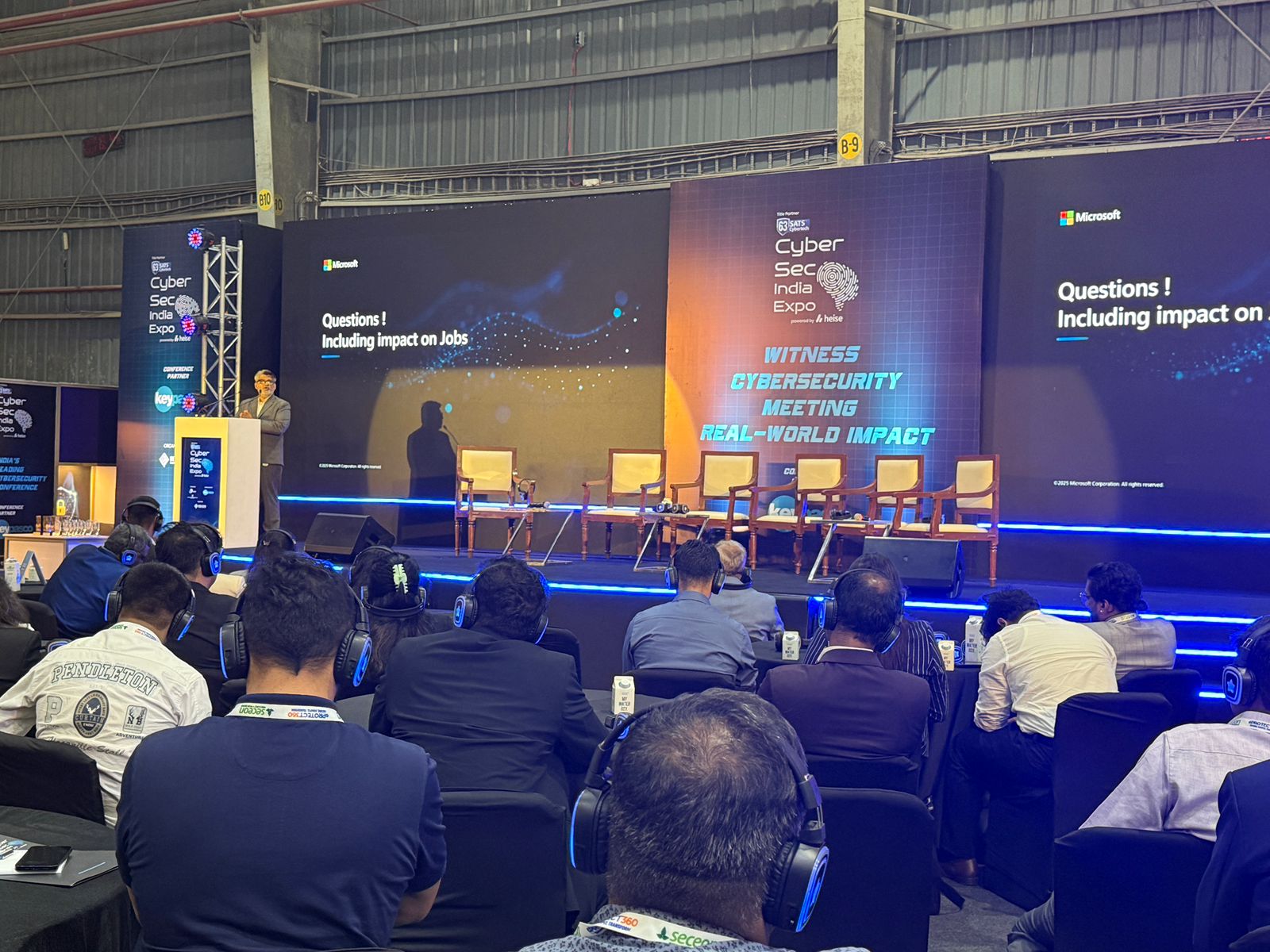
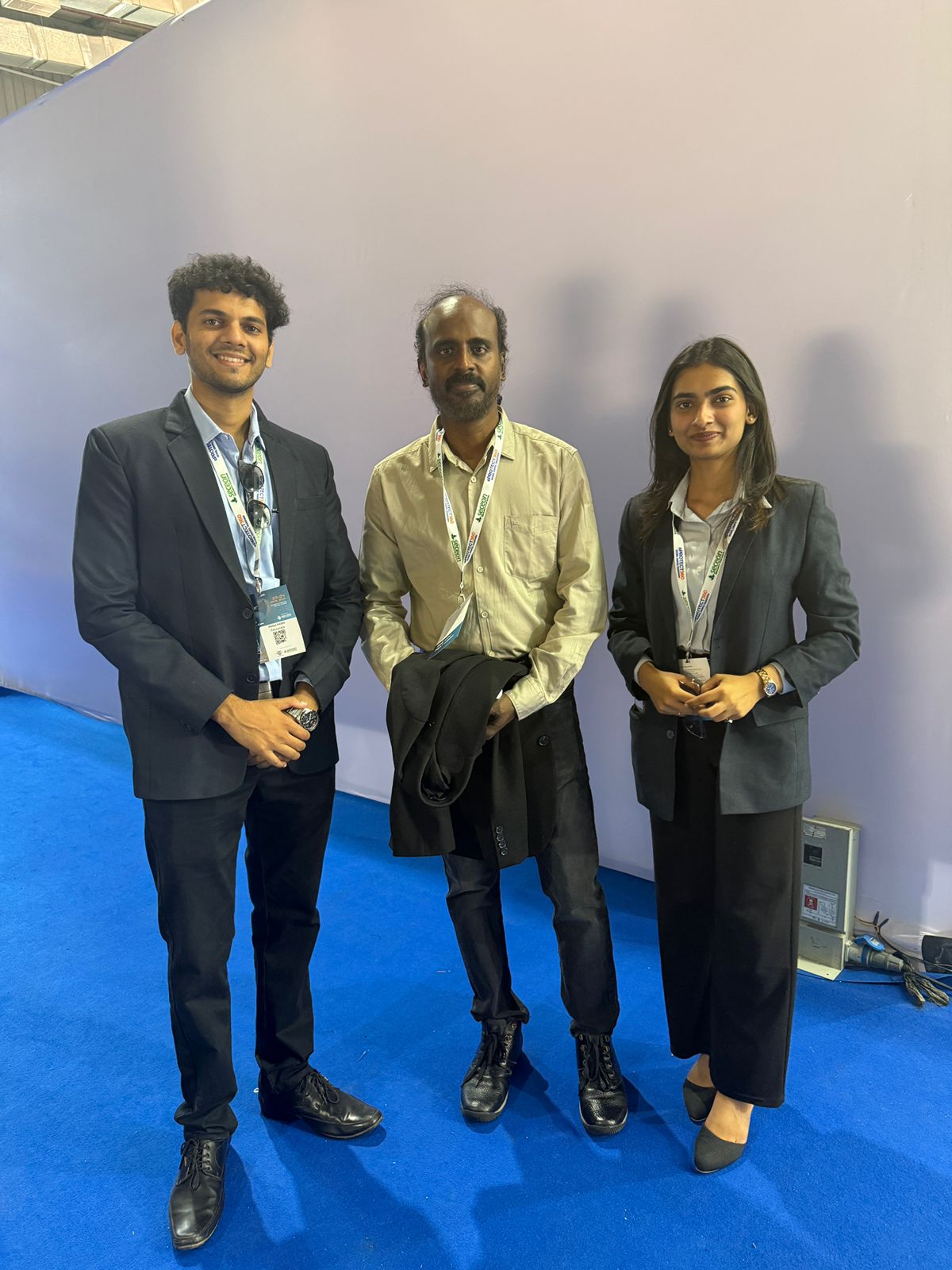
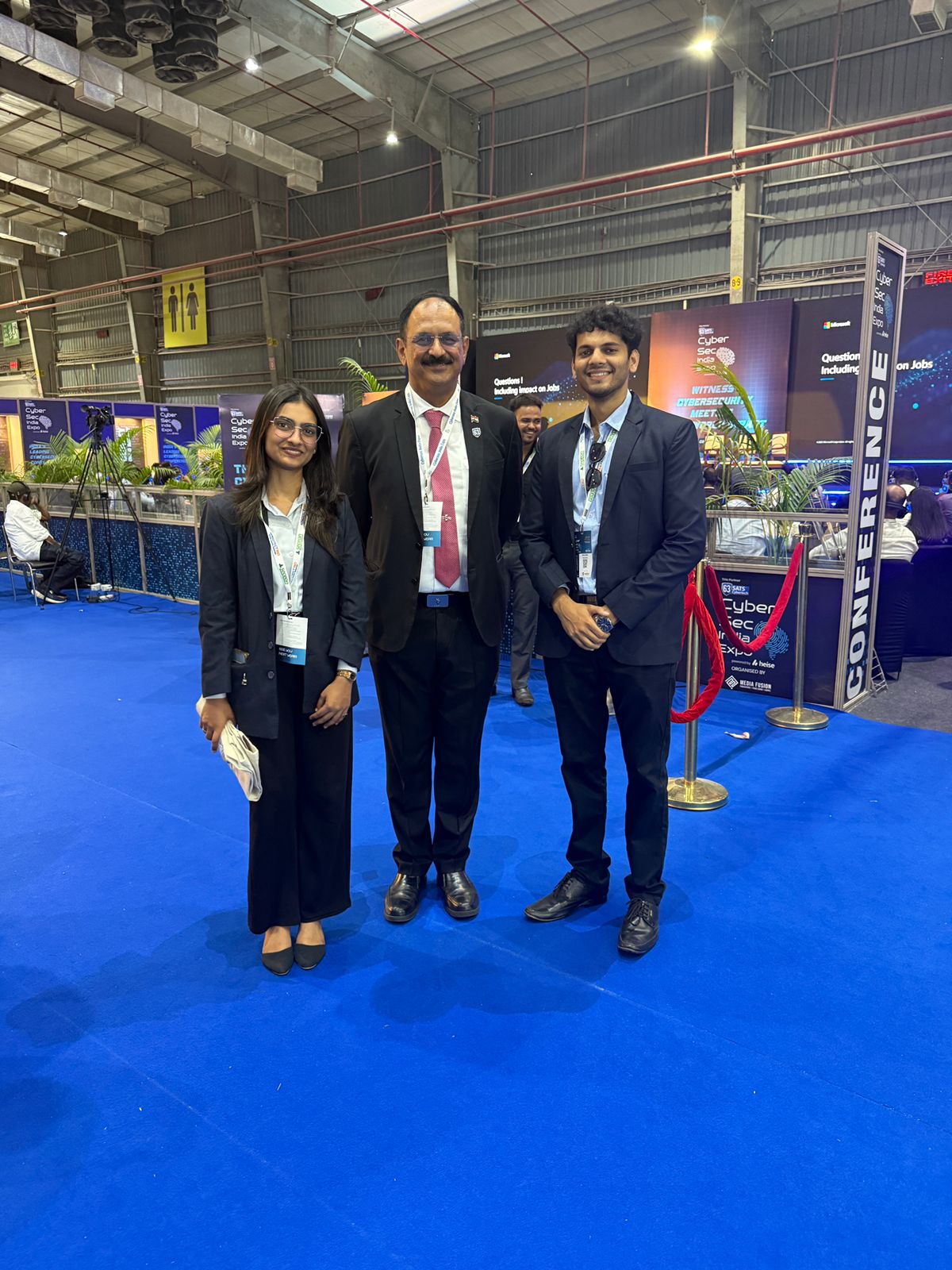
A few moments from two days at the Bombay Exhibition Centre — panel discussions, conference stages, and the conversations between sessions that often matter the most.

Across the two days, six themes kept resurfacing in panels, hallway conversations, and exhibitor demos. These are the threads we believe will shape Indian enterprise security through the rest of 2026 and into 2027.
The shift from compliance-driven controls to threat-driven controls — and what that demands of evidence systems, internal audit, and the CISO–DPO relationship.
How Indian enterprises are operationalising AI on the defensive side without giving up explainability — particularly in BFSI and government.
Identity-first security as the new perimeter, with phishing-resistant authentication and device posture as the operating mode for cloud-native enterprises.
One full year into enforcement — practical lessons on consent infrastructure, breach notification readiness, and the cross-mapping with global frameworks.
Manufacturing, energy, and infrastructure security teams treating OT as a first-class concern alongside IT — and the converged governance that requires.
The post-quantum migration timeline, what NIST's standardisation means for Indian organisations, and the inventories CISOs need to start building now.
CSIE 2026's audience composition was distinctly weighted toward operators — the people running security and compliance programmes day to day, not just the people buying tools. Across the two days, the rooms broke down roughly like this.
Two days, several panels, dozens of conversations. The themes below are the ones we expect to come back to repeatedly in client engagements through the rest of the year.
Across multiple panels, the same idea kept surfacing — the once-a-year audit cycle is becoming insufficient. CISOs and DPOs are rebuilding their programmes for continuous evidence, with framework cross-mapping baked in from day one, not retrofitted.
One full year into enforcement, the conversation has shifted from "what does the law say" to "what does it cost to actually operate it." Consent infrastructure, vendor management, and breach response timelines are the three areas getting most of the attention.
BFSI delegates were clearly the most mature in their thinking — particularly on Zero Trust, threat-led GRC, and AI governance. Other verticals are watching closely. The patterns being established in BFSI compliance will likely shape what the rest of the market does within 18 months.
It used to be the speculative panel at the end of the day. In 2026, post-quantum migration is being discussed alongside cryptographic inventory, risk-tiered timelines, and concrete programme milestones — particularly for organisations with long data-retention obligations.